Introduction:
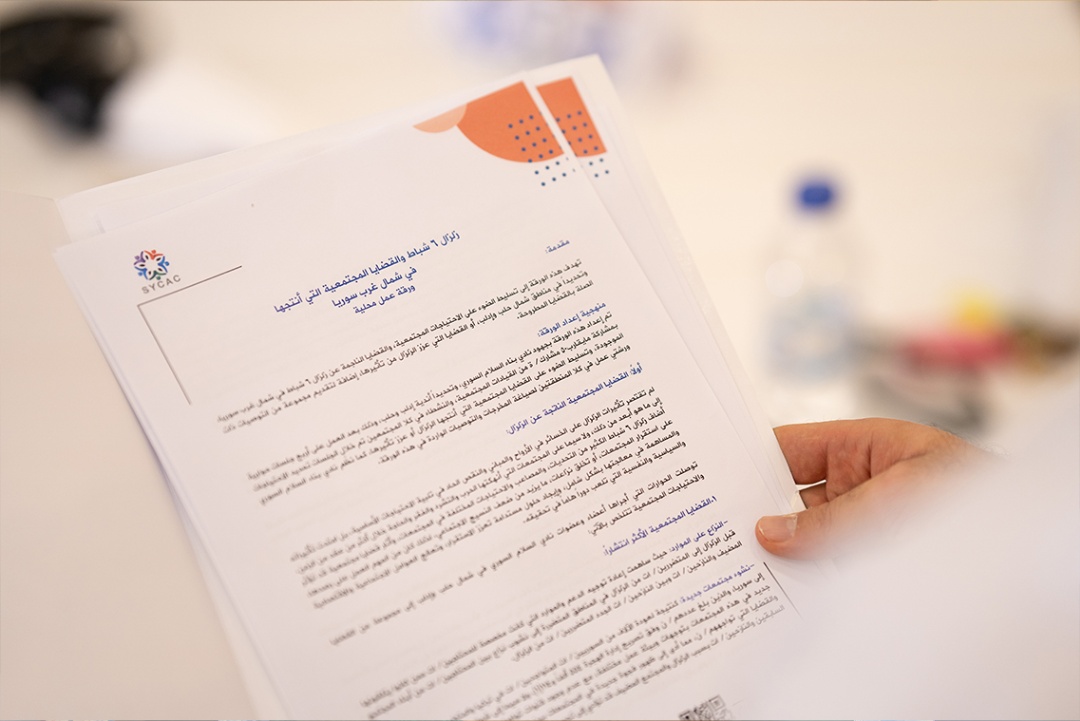
This paper aims to shed light on the social needs and issues caused or compounded by the earthquakes that hit northwest Syria on February 6, specifically the northern areas of Aleppo and Idlib. In doing so, the paper also aims to provide a set of recommendations to address these challenges.
Methodology of Preparation:
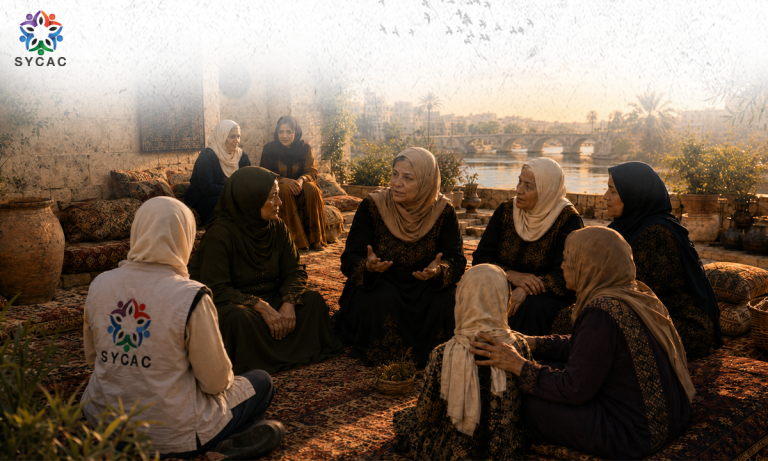
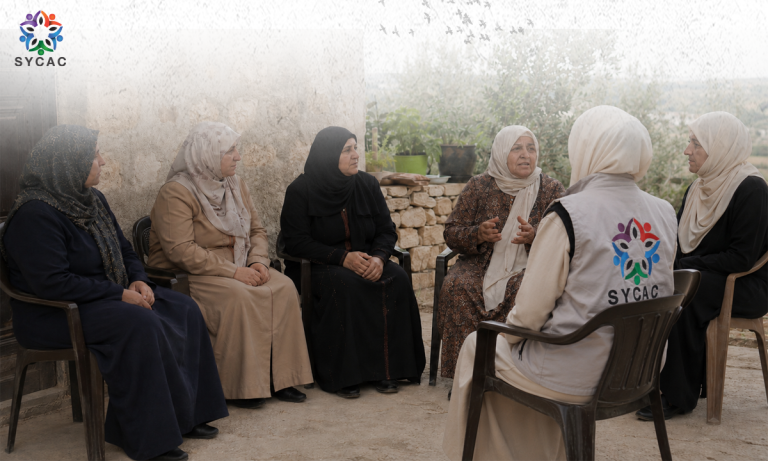
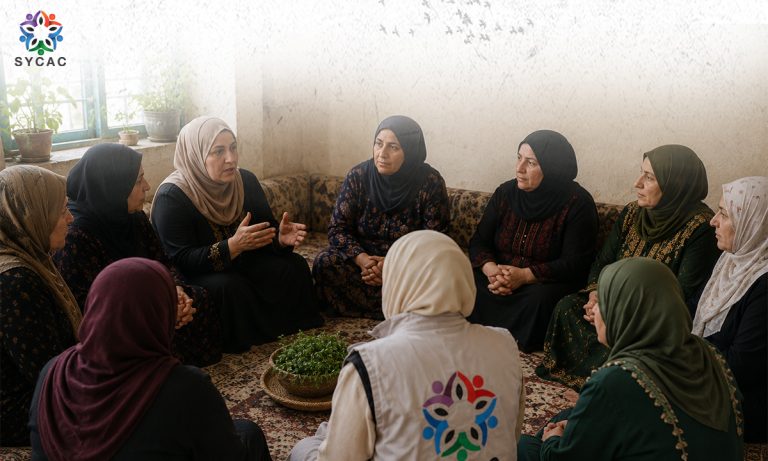
This paper represents the collaborative efforts of the Syrian Peacebuilding Club, specifically its branches in Idlib and Aleppo. By conducting four dialogue sessions with the participation of nearly 50 participants from community leaders and activists in both locations, existing needs were identified, and the societal issues resulting from the earthquake or exacerbated by its impact were highlighted. Additionally, the Syrian Peacebuilding Club organized two workshops in both locations, which played a pivotal role in formulating the findings and recommendations presented in this paper.
Societal implications of the earthquake:
The earthquake's impact extended well beyond the immediate loss of lives and damaged infrastructure, reaching deeply into communities already burdened by war, displacement, poverty, and deprivation for over a decade. The scale of the disaster presented numerous challenges and difficulties to these communities, exacerbating existing societal issues and posing a threat to their stability. There was a real concern that this could lead to conflicts and further weaken the social fabric.
In response to this critical situation, it became imperative to closely monitor and address these societal issues comprehensively. Finding sustainable solutions became the driving force behind enhancing stability and effectively tackling the social, economic, political, and psychological aspects of the post-disaster context.
The dialogues conducted by female and male members of the Syrian Peacebuilding Club in northern Aleppo and Idlib have resulted in the identification of a set of societal issues and community needs summarized as follows:
The most prevalent societal issues:
Resource conflict: The redirection of support and resources that were originally allocated to pre-earthquake beneficiaries towards those affected by the earthquake has led to disputes between the pre-existing beneficiaries and individuals who were affected by the earthquake and in need of emergency aid.
Emergence of new communities: The influx of thousands of Syrians returning from Turkey, including earthquake-affected individuals, to northern Aleppo and Idlib has given rise to a new community with diverse perspectives and ways of life. However, a significant challenge lies in the absence of effective communication channels and dialogue spaces to address the issues and problems they are currently facing. Consequently, there emerged a need to develop effective communication and common understanding frameworks among these communities with diverse displacement backgrounds, namely the returnees from Turkey, the previously displaced individuals due to the conflict, and the earthquake-related displaced individuals. Not addressing this need could further destabilize the region and give way to new conflicts. According to the Turkish Migration Management Directorate’s recent statements, the total number of returnees to Syria has now reached 554,114 individuals.
Unaccompanied and Separated Children: There has been a massive increase in northwest Syria’s number of unaccompanied and separated children, who lost their parents in the earthquake and their extended family members are unable to take care of them. This came on top of the already stretched and insufficient child protection system of the region, including insufficient capacity of orphan care centers. This has put many children at higher risk of family separation, as well as being exposed to various forms of abuse and exploitation due to their increased vulnerabilities, including child recruitment, child marriage, drug abuse, or engagement in hazardous and harmful activities. The rise in theft incidents, especially among children and adolescents, is a direct consequence of this situation. This issue can potentially give further harm to relations among communities and cause various types of conflicts.
Demographic Shift: The new waves of displacement resulting from the earthquake have further exacerbated the risks of demographic shift in northern Aleppo, which is considered one of the major obstacles hindering the peace process in Syria.
- Issues related to civil rights and property rights:
- Loss of documents and property seizures: Loss of personal documents and proof of ownership of properties has led to numerous disputes over land and possessions. Syrians are still struggling to reclaim their properties or prove ownership, which can cause new conflicts between individuals and between the community members and the governing authorities in the area, further complicating the recovery process for these communities.
The chaos that followed the earthquake created opportunities for controlling parties to engage in land seizures and exploit valuable properties under the pretext of establishing camps, with vast lands being claimed as public property by the authorities. These unlawful practices have further complicated the situation and undermined the rights of legitimate property owners.
- Economic Issues:
Loss of breadwinners: Many families have lost their primary breadwinners, leaving them to face burdens and responsibilities without adequate resources, especially for women who often bear the brunt of the consequences, making them more susceptible to exploitation and abuse.
Exploitation and Price Hikes: The area is grappling with the exacerbated issues of exploitation and soaring rental prices, which have escalated conflicts and heightened existing social tensions. As a result, trust within the communities has eroded, and divisions have deepened further in the aftermath of the disaster.
Job Losses: With companies and industries being affected by the earthquake, many individuals have lost their jobs and primary sources of income, resulting in increased unemployment rates, higher levels of poverty in communities, and deepening poverty.
Growing Dependency on Humanitarian Aid: Communities have become increasingly dependent on humanitarian aid for basic necessities, and this is expected to have long-term consequences on self-sufficiency and economic development in the region.
- Media-Related Issues:
Trust Gap between Media and Local Communities: Due to the weak capacity of media for advocating the needs of those affected by the earthquake or hold those responsible accountable for the response provided, a trust gap has emerged between the media and local communities.
Lack of Focus on Community Needs Before the Earthquake: During the earthquake period, the media primarily focused on covering the basic needs of the affected individuals but did not give sufficient attention to the pressing issues that were already challenging the communities before the earthquake. Even though these pre-existing issues were exacerbated by the earthquake, they were not adequately highlighted in media coverage.
Spread of Misinformation: Amid the disaster and chaos caused by the earthquake, there was a significant spread of misleading information and rumors. Journalists faced challenges in verifying the accuracy of the information they received, leading to confusion and the potential for inaccuracies in their reports. As a result, a trust crisis emerged between the community and the media.
- Issues related to Mental and Physical Health:
Increased Mental Health Issues: Individuals, especially survivors who have lost their loved ones or their means of income, are experiencing a rise in mental health issues after the earthquake, including an increase in suicide rates.
Increased Unemployment Due to Physical Injuries: As a consequence of the earthquake in the affected areas, many individuals have lost their job opportunities, leading to a rise in the number of people below the poverty line. This has resulted in an increase in suicide cases, especially among the youth, along with a rise in crime rates in the region. Additionally, unethical practices, as perceived by the community, have caused disruption to social cohesion and security.
- Issues related to Women:
Abuse of Women: Several cases of sexual violence and exploitation of women in exchange for aid have been documented. Some of these women have reported multiple instances of harassment while waiting to receive aids, but they remained silent at the time out of fear of being denied aid and losing their place in the waiting queue.
Job Loss: Many Syrian women who were working as daily wage laborers lost their source of income either due to the collapse of their workplace or as a result of the difficult economic situation that ensued from the earthquake. This exacerbates the already precarious economic situation for women.
Privacy Loss in Shelters: Families who lost their homes sought refuge in tents, and even today, they continue to face the distressing challenge of inadequate privacy within these makeshift shelters, including the lack of proper bathrooms and bathing areas. The dire conditions in the camps, with insufficient cleanliness and sanitation facilities, raise legitimate concerns about the potential spread of diseases among the affected population.
Early Marriage: The troubled economic conditions of the region, compounded by the devastating impact of the earthquake and the loss of numerous families' homes, has become a significant driving force behind the alarming rise in early marriages, particularly affecting young girls.
Lack of Gender Perspective in the Media: The media often highlights the tragedy in a collective manner without considering the specific needs of women, which differ from general needs. This leads to a discrepancy in the type of assistance provided and how it is delivered, increasing crises and women's suffering.
Recommendations:
To address the issues cited above, and enhance stability and social cohesion in the earthquake-affected communities, the following recommendations can be considered:
- Support establishment of communication channels and spaces for dialogue, where individuals from different backgrounds, including returnees from Turkey, former displaced individuals, and the host community, can discuss and address the problems and issues they face.
- Provide shelters for the earthquake-affected individuals in Syria or offer financial assistance to rent buildings that preserve their dignity.
- Ensure privacy for women in shelters and in the distribution and delivery of assistance, taking into consideration the specific needs and preferences of women during aid provision.
- Form specialized technical committees composed of community leaders and human rights activists tasked with documenting property violations, identifying issues related to rights and property, and proposing solutions. Additionally, these committees should raise civil awareness about property rights and advocate for a review of local laws governing current property ownership practices in northwest of Syria. Addressing existing gaps is essential to ensure a fair and transparent process that involves the community and prevents further conflicts.
- Expand the spaces for dialogue among Syrians across geographical boundaries, including in neighboring countries and among the diaspora. These dialogues can play a significant role in bridging perspectives among Syrians and pave the way for a comprehensive peace process, especially considering the cross-control area solidarity witnessed during the earthquake.
- Develop comprehensive support programs for orphaned children, including education, healthcare, psychological, and social support services. Additionally, establish safe and nurturing environments such as orphanages or alternative care systems to meet their needs and protect them from exploitation or harmful practices.
- Ensure fair and equitable distribution of support and resources to both pre-existing vulnerable individuals and those affected by the earthquake. Work on establishing transparent mechanisms to prevent conflicts arising from perceived injustices in resource allocation.
- Work on designing interventions to protect the rights of all individuals, regardless of their demographic characteristics. This includes ensuring non-discrimination in accessing basic services, healthcare, and employment opportunities, as well as establishing mechanisms to address cases of discrimination and promote equal treatment for all members of the community.
- Provide targeted economic support and livelihood opportunities for families who have lost their primary breadwinners by offering vocational training programs, entrepreneurship initiatives, and microfinance options to enhance their economic resilience and self-sufficiency, with special attention given to empowering women, who may face additional vulnerabilities.
- Establish and expand comprehensive mental health support programs for individuals affected by the earthquake, including counseling services, trauma therapy, and psychosocial support, while raising awareness about mental health issues and reducing the stigma associated with seeking help.
- Strengthen and promote the role of the media in disaster response, by enhancing advocacy skills to address community needs and highlight societal issues.
- Leverage the opportunity of solidarity created by the earthquake across different control areas in Syria, and work on coordinating and networking between community initiatives that responded to the needs of the earthquake-affected individuals throughout Syrian geography, transcending all disputes.
To download the full paper, please click here