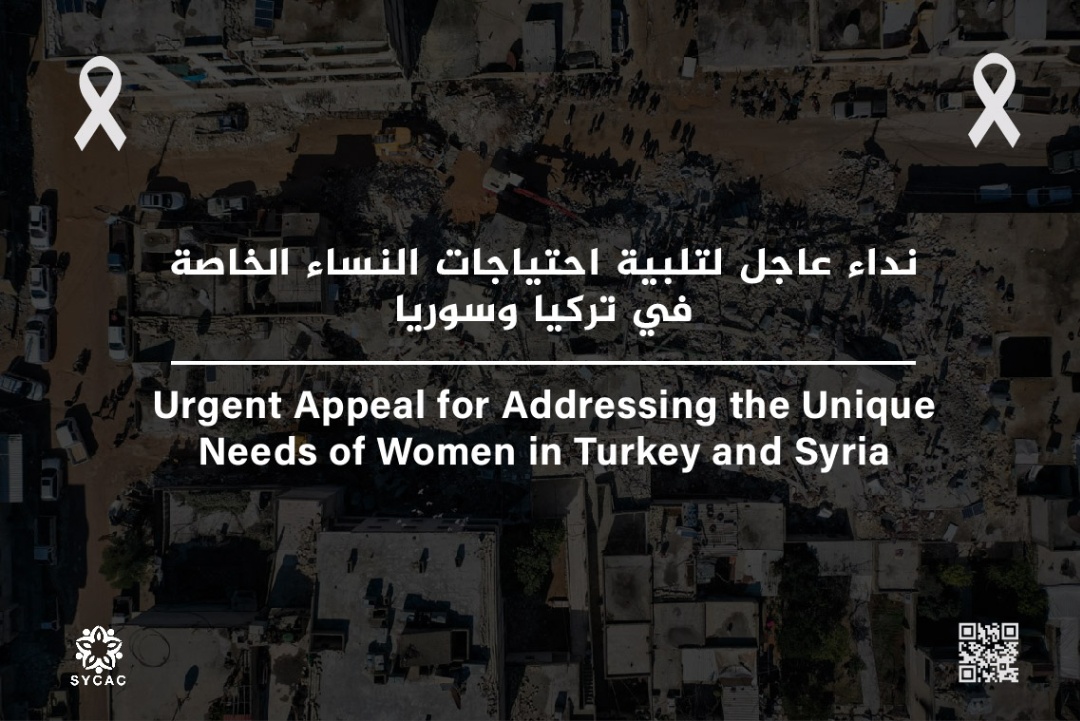
The recent earthquake that hit Turkey and Syria on Monday, 06/02/2023, caused widespread destruction and loss of life. The World Health Organization estimates that over 23 million people in both countries have been affected by the disaster. However, the response to this tragedy has exposed a gap in meeting the specific needs of women survivors, who are often the most vulnerable and have distinct roles as caretakers of children. Despite the significant efforts made by civil society organizations during the emergency response, the needs of women are frequently overlooked and not incorporated into the relief efforts. This is particularly true for women who are mothers, pregnant, breastfeeding, recently gave birth, elderly, or have disabilities, or are breadwinners for their families.
SYCAC has conducted an assessment of the needs of women and girls in Gaziantep and northwest Syria, and has determined the most critical needs of female earthquake survivors as follows:
Needs of Pregnant, Lactating, and Puerperal Women:
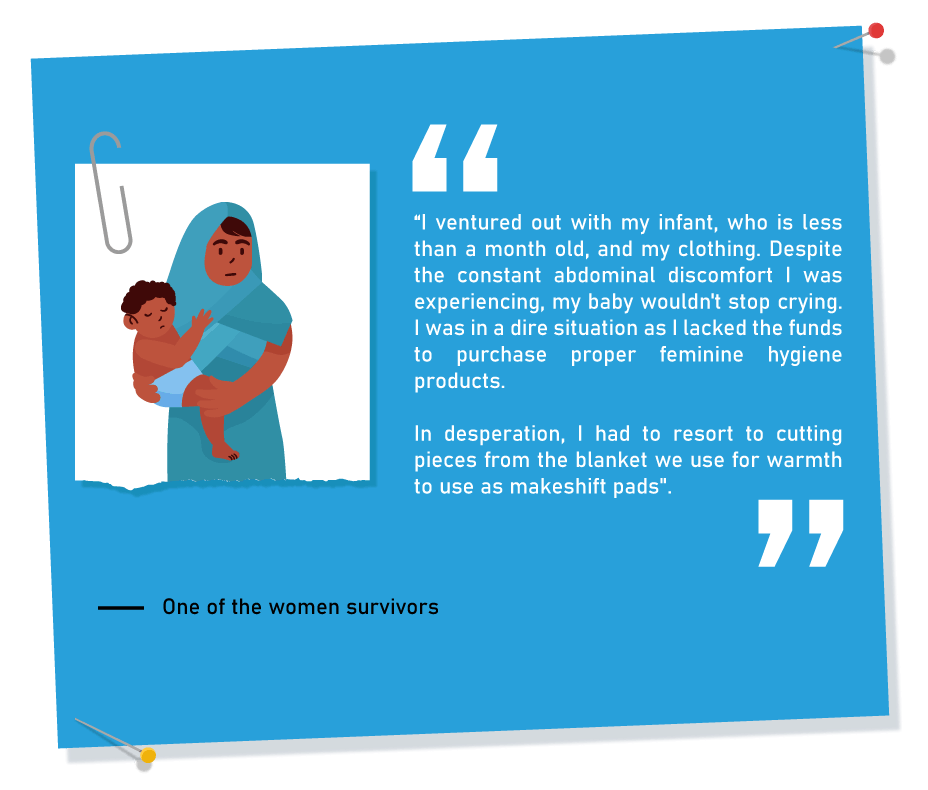
- Special shelters equipped with heating or winter blankets to protect them and their children from any complications due to overcrowding or cold temperatures, if possible.
- Suitable winter clothing, rain jackets, and medical shoes for pregnant and breastfeeding women.
- Feminine pads, sterilizers, and anti-inflammatory ointments for new mothers.
- Medical services, including the presence of doctors and nurses in shelters and the availability of necessary medicines, such as pain relievers, nutritional supplements, and gynecological infection treatments.
- An online hotline for medical advice from medical and women’s organizations, or female health workers.
Needs of Elderly Women and Women with Disabilities:
- Immediate medical attention, especially for those who have been rescued from the rubble and have chronic diseases.
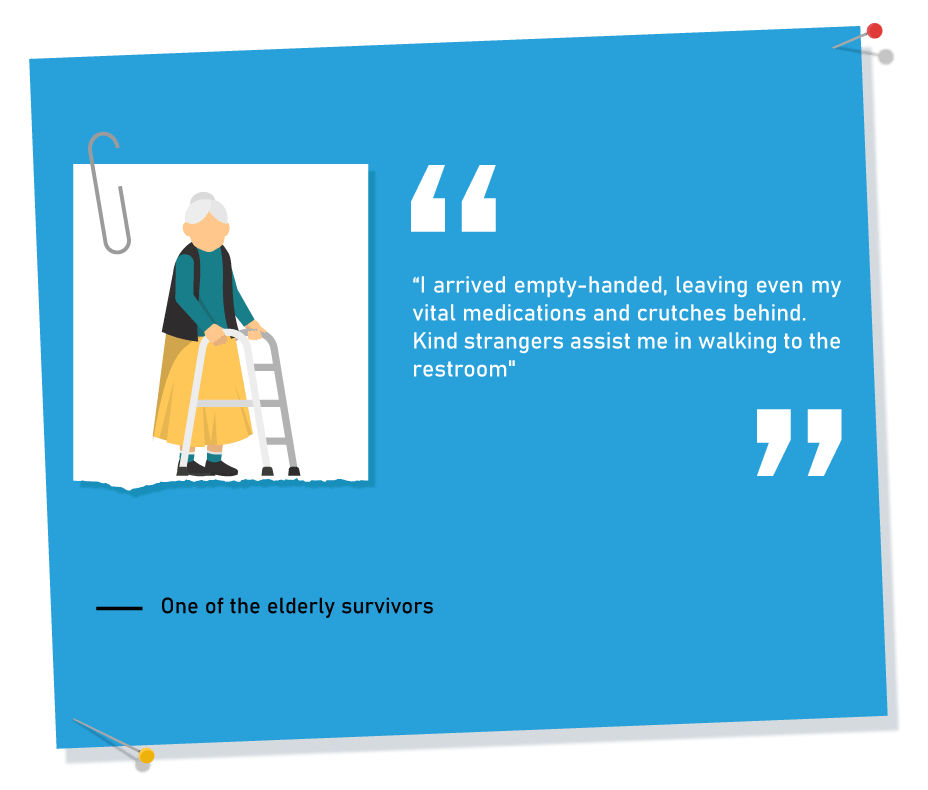
- Medicines for elderly women with chronic conditions who require regular medication.
- Assistive devices, such as wheelchairs or crutches, especially for those who have lost their devices while escaping the earthquake.
- Diapers, toilet tissues, and scented wipes for elderly women and people with disabilities.
- Accessible shelters with ramps, grab bars, and accessible restrooms.
- Access to nutritious food and water is a crucial need, especially for those without a primary source of income. Women, in particular, require healthy nutrition to combat the effects of repeated childbirth on immunity and bones. Meeting this need is essential for their well-being.
- Psychological support to assist in overcoming the traumatic experience of surviving an earthquake, particularly for women who are also survivors of the Covid-19 pandemic and have faced added stress due to their familial responsibilities and the dual pressures they have endured.
- Accessible information about relief efforts and services in formats such as large print or audio materials.
- Winter clothing and medical shoes suitable for their disabilities that are comfortable and easy to use.
General Recommendations for Addressing Women’s Unique Needs:
- Support women in the Syrian Civil Defense, who are on the frontlines of the disaster response, financially and psychologically, and ensure their needs and those of their families are met, particularly for women breadwinners.
- Provide safe shelters, suitable for children and with good heating, for women and their families.
- Ensure the availability of feminine pads as a basic need for women and girls who have survived the earthquake.
- Provide analgesics for menstrual pain for women.
Other Critical Needs:
- Providing winter clothes such as warm raincoats, appropriate clothes, headgear for veiled women and winter socks.
- Providing underwear for women of various sizes to protect them from bacteria and diseases.
- Providing single-use plastic utensils, since women are usually responsible for preparing meals and cleaning, due to the lack of ingredients, providing this may help reduce the burden on them.
- Psychosocial support: Many women who survived the earthquake have experienced trauma, and it is important that critical cases are assessed and responded to by field teams of psychologists to help them recover from their experiences.